 Tampa Bay
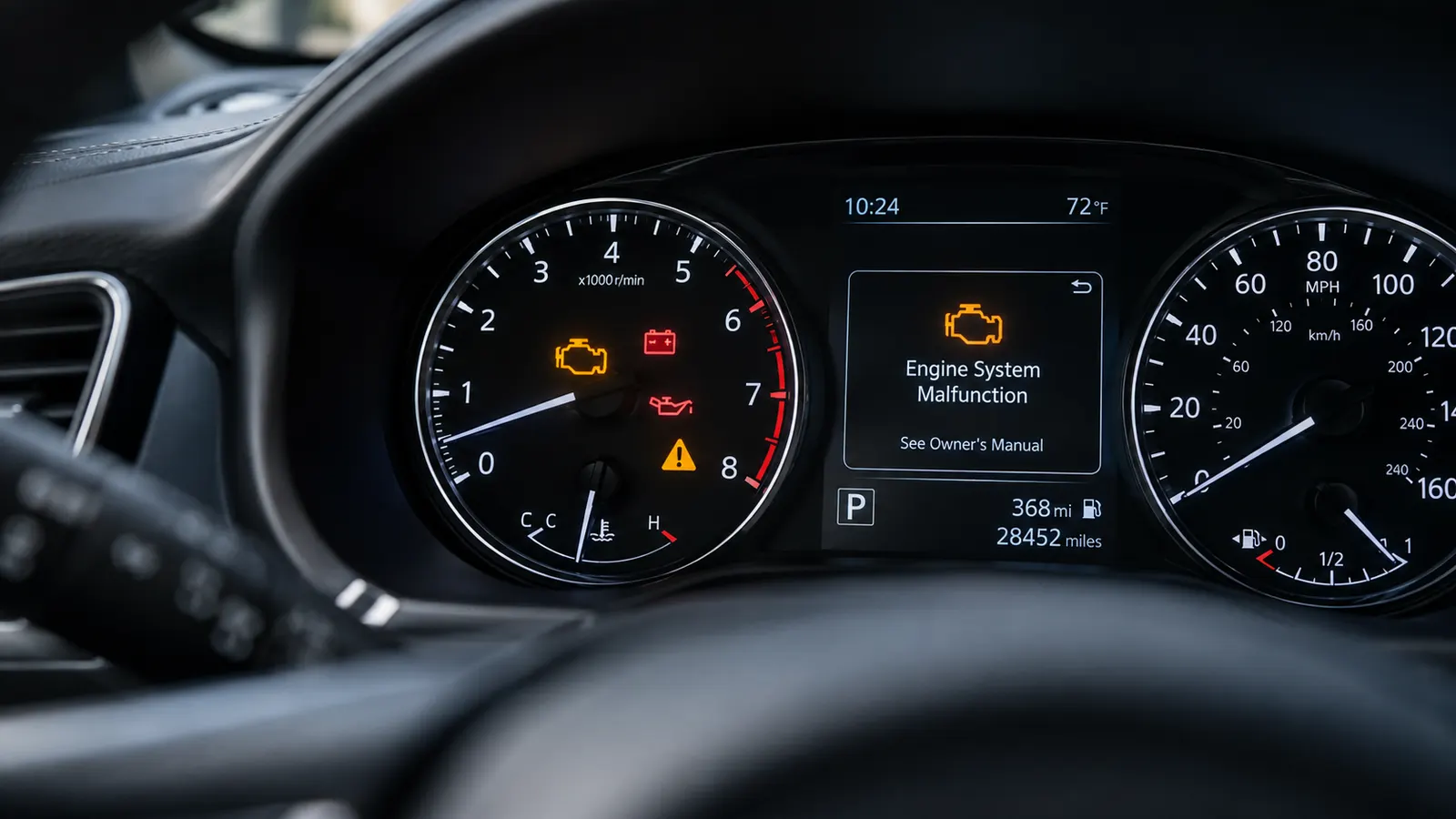
Most people find the Lemon Law the same way: the same warning light, the same noise, the same trip to the service drive, again. Florida's law is built for exactly that pattern. If a new vehicle has a defect that substantially impairs its use, value, or safety, and the manufacturer can't fix it within a reasonable number of attempts, the manufacturer may have to buy the vehicle back or replace it.
Who and what is covered
The law protects a "consumer": someone who bought or leased a vehicle in Florida for personal, family, or household use, plus anyone the vehicle is transferred to during the rights period. It covers:
- New cars, trucks, SUVs and vans sold or leased in Florida, including demonstrators and leased vehicles sold with a manufacturer's warranty
- The chassis, engine and drive train of motor homes (see our RV guide)
- A used vehicle, but only for whatever is left of the original 24-month rights period
It does not cover motorcycles, mopeds, off-road vehicles, trucks over 10,000 lbs. gross vehicle weight, electric bicycles, or the "living facilities" of an RV. Boats aren't covered either. For those, federal warranty law often still helps: see the Magnuson-Moss Warranty Act, our boat guide and our motorcycle guide.
What makes a vehicle a "lemon" in Florida
The statute calls a defect a "nonconformity." It has to be covered by the manufacturer's warranty and substantially impair the vehicle's use, value, or safety. It can't be the result of accident, abuse, neglect, or unauthorized modifications. Florida then presumes the manufacturer had a reasonable number of attempts when, during the 24-month rights period, either:
- The same defect was repaired 3 or more times by the manufacturer or its authorized dealers, the owner sent written notice, and the manufacturer had a final chance to fix it; or
- The vehicle was out of service for repairs 30 or more days total (60 for motor homes), counting all defects, and the manufacturer had a chance to inspect or repair it after written notice.
Days are cumulative. Four separate visits of eight days each add up to 32.
The step most people miss: written notice
A presumption doesn't kick in on repair visits alone. After the third attempt for the same problem (or once the vehicle has been in the shop 15 or more days), the owner has to notify the manufacturer in writing, by registered or express mail. The Attorney General's consumer booklet includes a Motor Vehicle Defect Notification form for this. The manufacturer then has 10 days to direct you to a reasonably accessible repair facility, and 10 days after you deliver the vehicle (45 for motor homes) to make a final repair. Read the full notice-letter guide.
What the manufacturer may owe you
If the vehicle qualifies, the manufacturer must either:
- Repurchase it: refund the full purchase price, including collateral charges like sales tax, title and registration fees, and finance charges, plus reasonable incidental costs such as towing and rentals, minus a reasonable offset for use; or
- Replace it with a comparable vehicle acceptable to you.
You choose. You can always take the refund instead of a replacement. The offset for use is a formula, not a negotiation: the miles you drove before first reporting the defect, times the price, divided by 120,000 (60,000 for RVs). Try our buyback and offset calculator.
Arbitration, court, and deadlines
If the manufacturer doesn't resolve it, most cases go to arbitration first. If the manufacturer has a state-certified dispute program, you generally have to use it before the state's Florida New Motor Vehicle Arbitration Board. A request to the Board is due no later than 60 days after the rights period ends, or 30 days after the manufacturer's program makes its final decision, whichever is later. A lawsuit under Chapter 681 must generally be filed within 1 year after the rights period ends or after the final action of the program or Board. Plug your delivery date into our deadline calculator to see your dates.
A consumer who prevails in court under Chapter 681 can recover reasonable attorney's fees and costs. That's why many lemon law attorneys don't charge upfront. See what a lemon law attorney costs.
Dealers vs. manufacturers
The Lemon Law is aimed at the manufacturer, not the dealership. A dealer is generally only on the hook under Chapter 681 for written warranties the dealer made itself. That's also why you should send notice to the manufacturer (the address is in your warranty booklet), not just complain to the service advisor.
What to do this week
- Pull every repair order and make sure each one describes your complaint in your own words. See why repair orders matter.
- Count repair attempts for the same issue and total days out of service.
- Check for open recalls on your vehicle.
- Find your delivery date and run the deadline calculator.
- Talk to a lemon law attorney before you send the notice letter or sign anything from the manufacturer.
Sources: Chapter 681, Florida Statutes · Florida Attorney General: Lemon Law · How the Florida Lemon Law works (FL AG) · The Florida Bar: Florida's Motor Vehicle Lemon Law